
Tengyi 2024 Sales Review
2024 Marketing Review
Marketing Areas
Sales Amount
Top 15 Global Countries Sales Report
Tengyi experienced remarkable growth in 2024, solidifying our position as a global leader in the power transmission and distribution sector. Our transformers and substations reached over 60 countries and regions worldwide, generating impressive sales exceeding $50,000,000.
This success reflects Tengyi’s unwavering commitment to quality, innovation, and customer satisfaction, coupled with a strategic global marketing approach that has successfully penetrated diverse and dynamic markets.
The following report details the key highlights of Tengyi’s 2024 global marketing performance.
United States
$ 25 million
Ukraine
$ 16.74 million
Honduras
$ 3.26 million
Canada
$ 2.1 million
Uzbekistan
$ 1.78 million
Tajikistan
$ 1.28 million
Turkey
$ 1.12 million
Mongolia
$ 1.05 million
Kyrgyzstan
$ 1.05 million
Kazakhstan
$ 0.73 million
Mauritania
$ 0.64 million
Mexico
$ 0.54 million
South Africa
$ 0.5 million
Russia
$ 0.47 million
Philippines
$ 0.46 million
United States Cases
US Project Challenges
Electricity Demand Dynamics
- Aging Infrastructure: Some of the U.S. grid was built in the mid-20th century, struggling to handle modern peak loads and integrate renewable energy sources (e.g., solar, wind).
- Urbanization & Peak Loads: Dense urban areas (e.g., New York, Los Angeles) require transformers that efficiently manage high short-circuit currents and voltage fluctuations.
- Decarbonization Goals: Transitioning to green energy mandates (e.g., EPA’s Clean Power Plan) demands transformers with lower losses and higher energy efficiency to reduce carbon footprints.
Environmental & Regulatory Compliance
- Strict Standards: Transformers must meet U.S. standards like IEEE C57.12 (liquid-filled) or NEMA TP 1 (dry-type), as well as state-specific regulations (e.g., California’s Proposition 65 for toxic material bans).
- Emission Controls: Compliance with environmental laws (e.g., EPA’s Toxic Release Inventory) limits the use of PCBs and other hazardous materials in transformer production.
- Noise Regulations: Urban installations require transformers with low-noise designs to avoid violating local ordinances.
Tengyi Solutions
Product Innovation for U.S. Needs
- High-Efficiency, Low-Loss Designs: Developed transformers with amorphous alloy cores and advanced winding techniques to meet or exceed ENERGY STAR and EPRI standards.
- Smart Grid Integration: Offered IoT-enabled transformers with real-time monitoring, predictive analytics, and remote control capabilities to support grid modernization.
- Eco-Friendly Materials: Eliminated PCBs and used recycled steel, complying with Proposition 65 and other environmental regulations.
Compliance & Certification
- Certifications: Obtained UL, ANSI, and NEMA certifications for products, ensuring compliance with U.S. safety and performance standards.
- State-Specific Adaptations: Customized designs for California (e.g., wildfire-resistant enclosures) and Northeastern states (e.g., saltwater corrosion resistance).
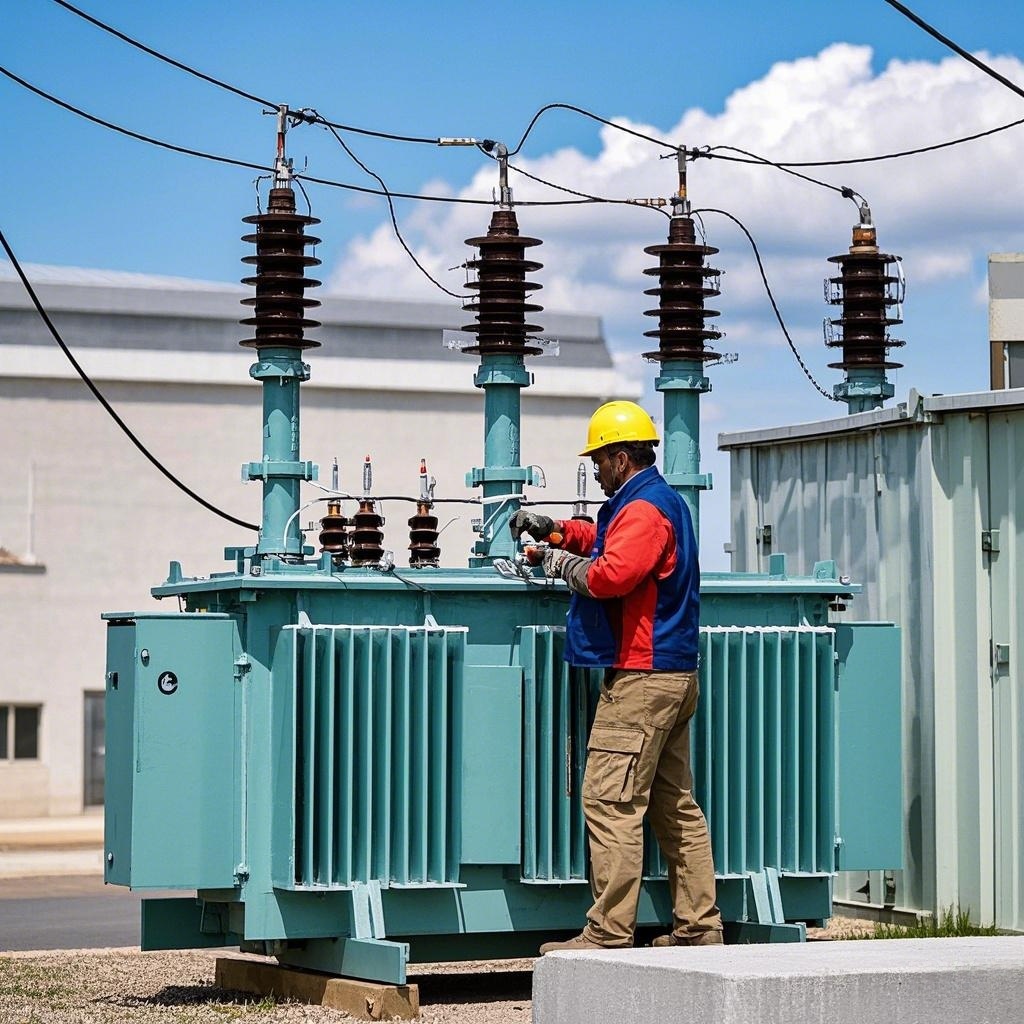
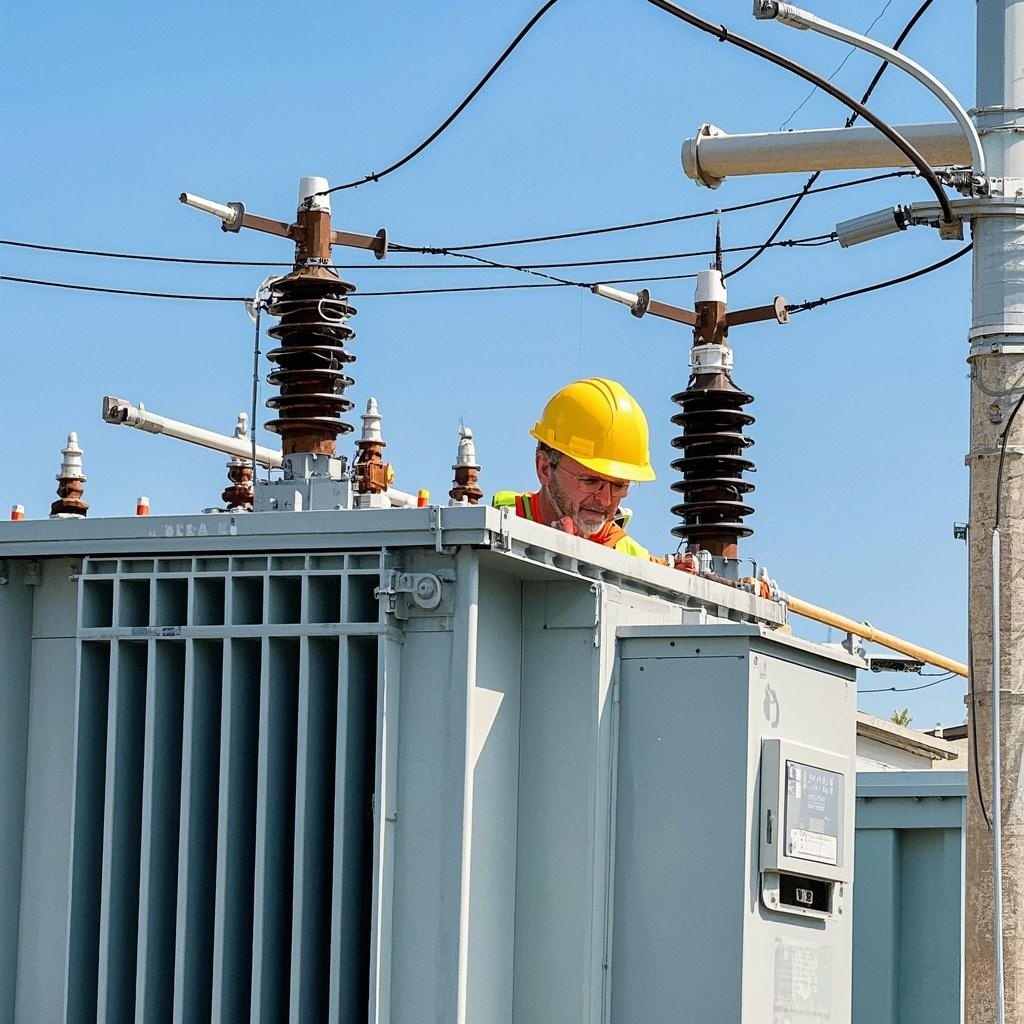
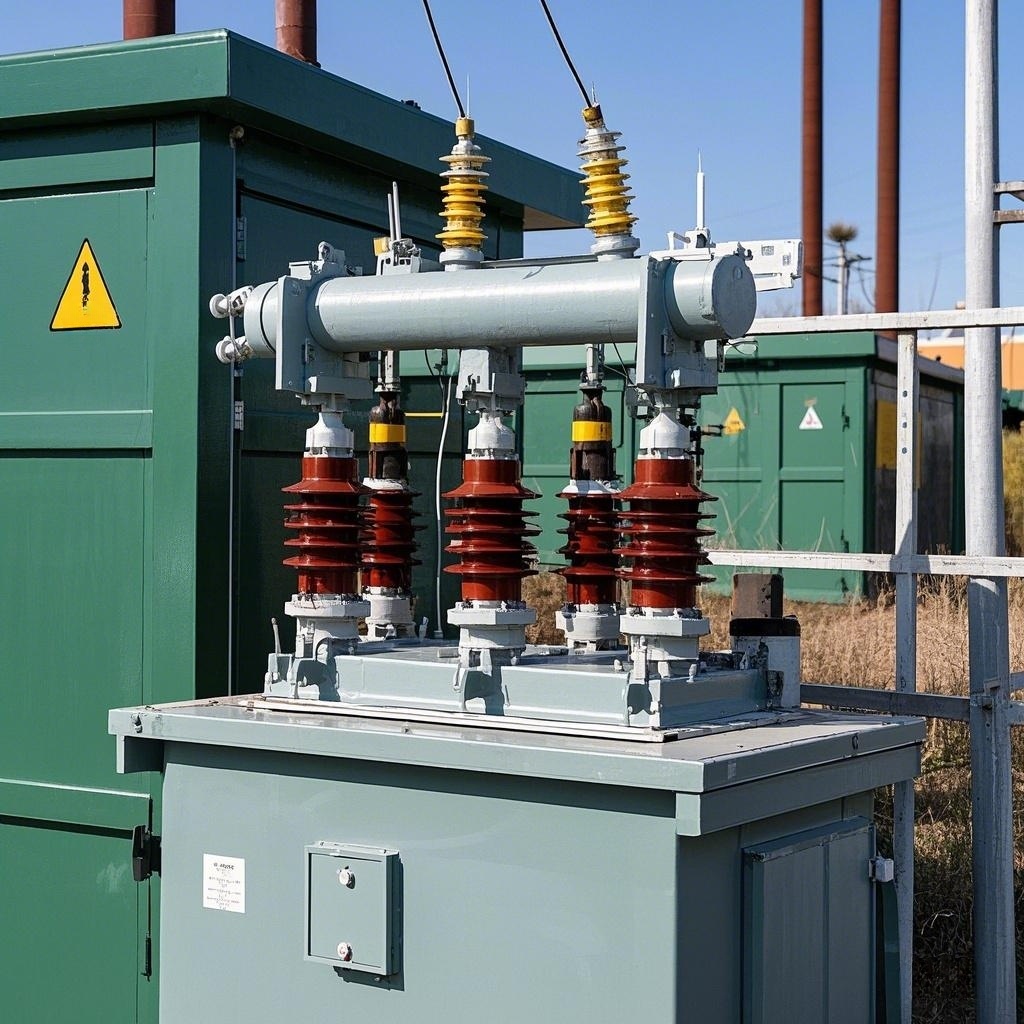
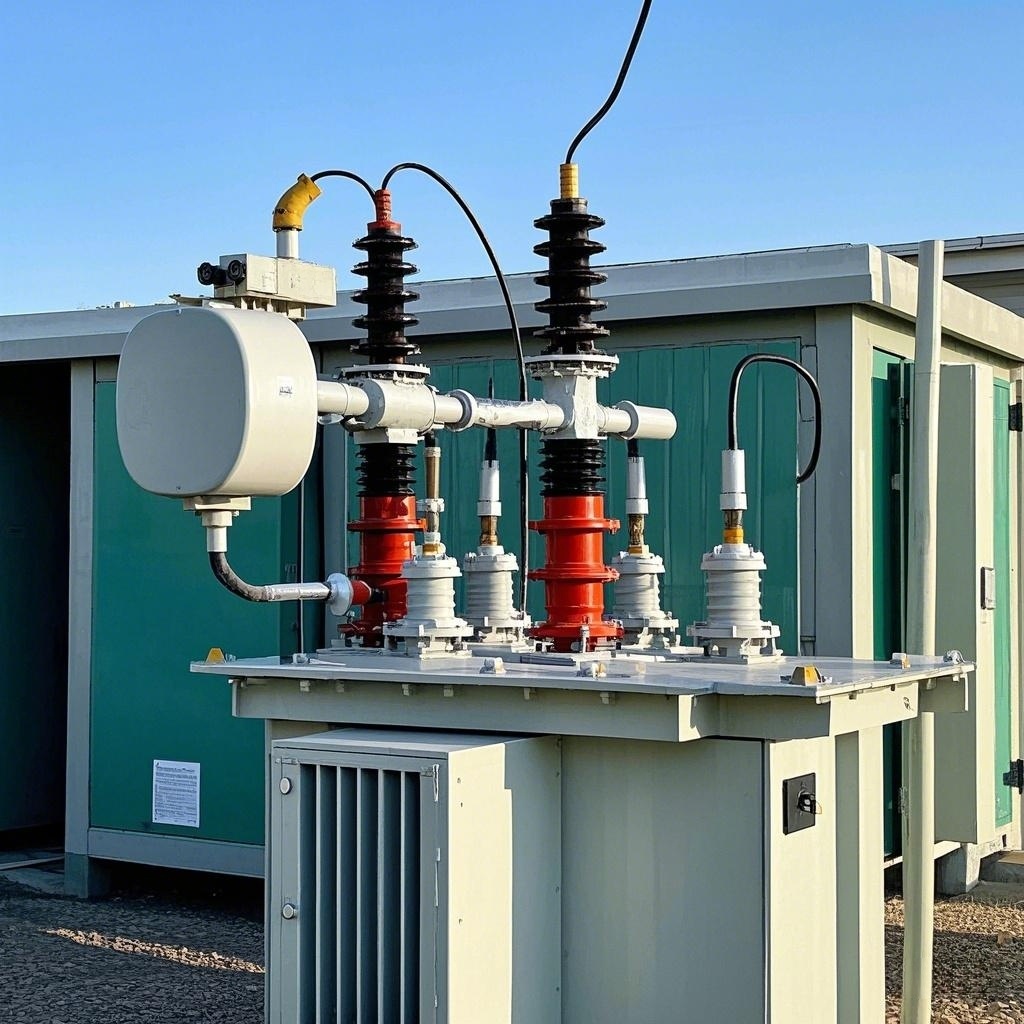
US Real Cases
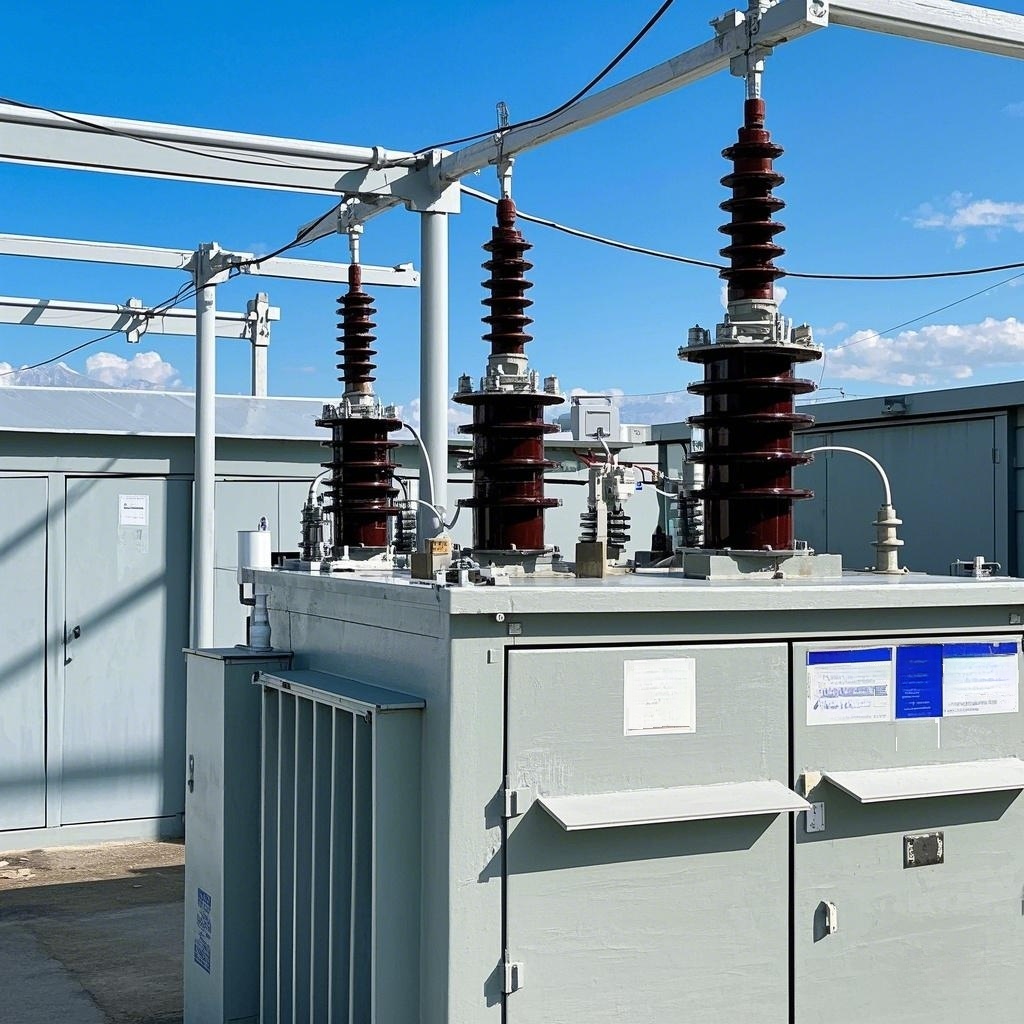
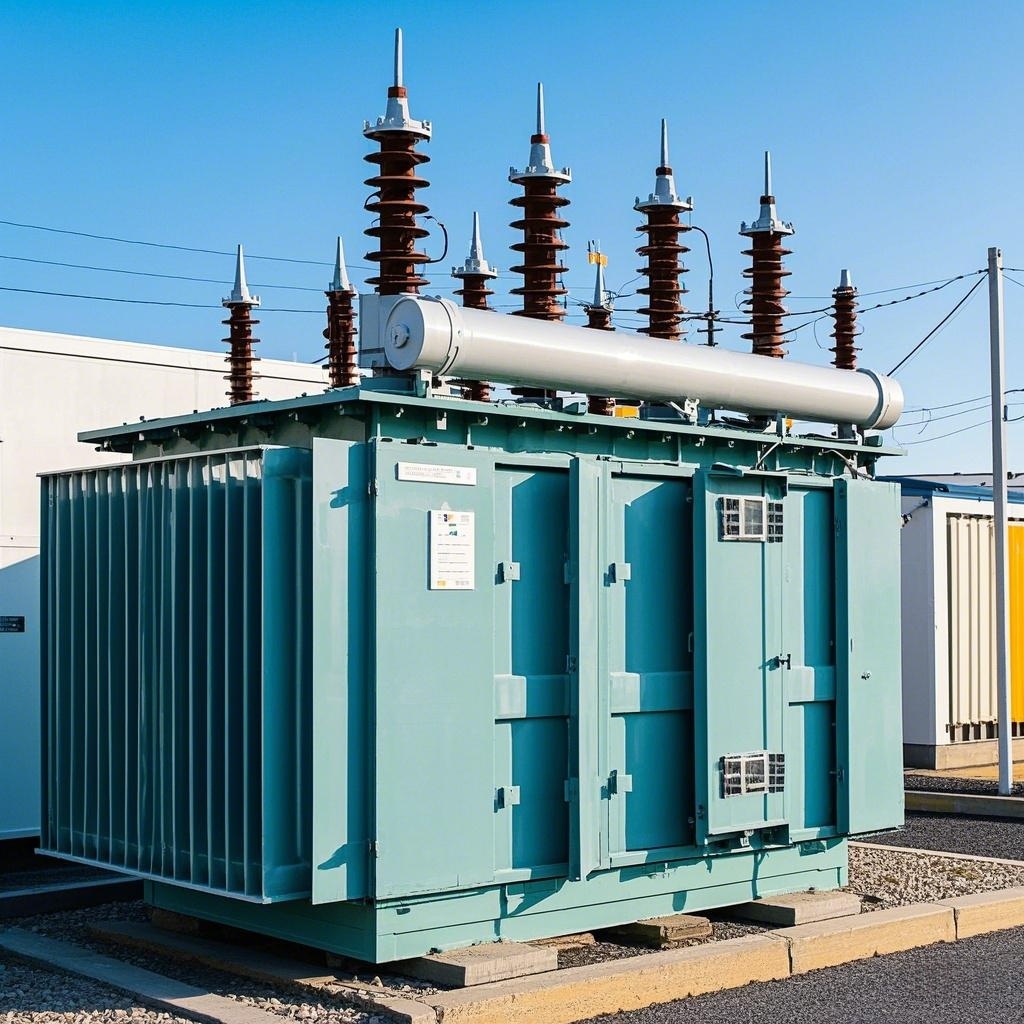
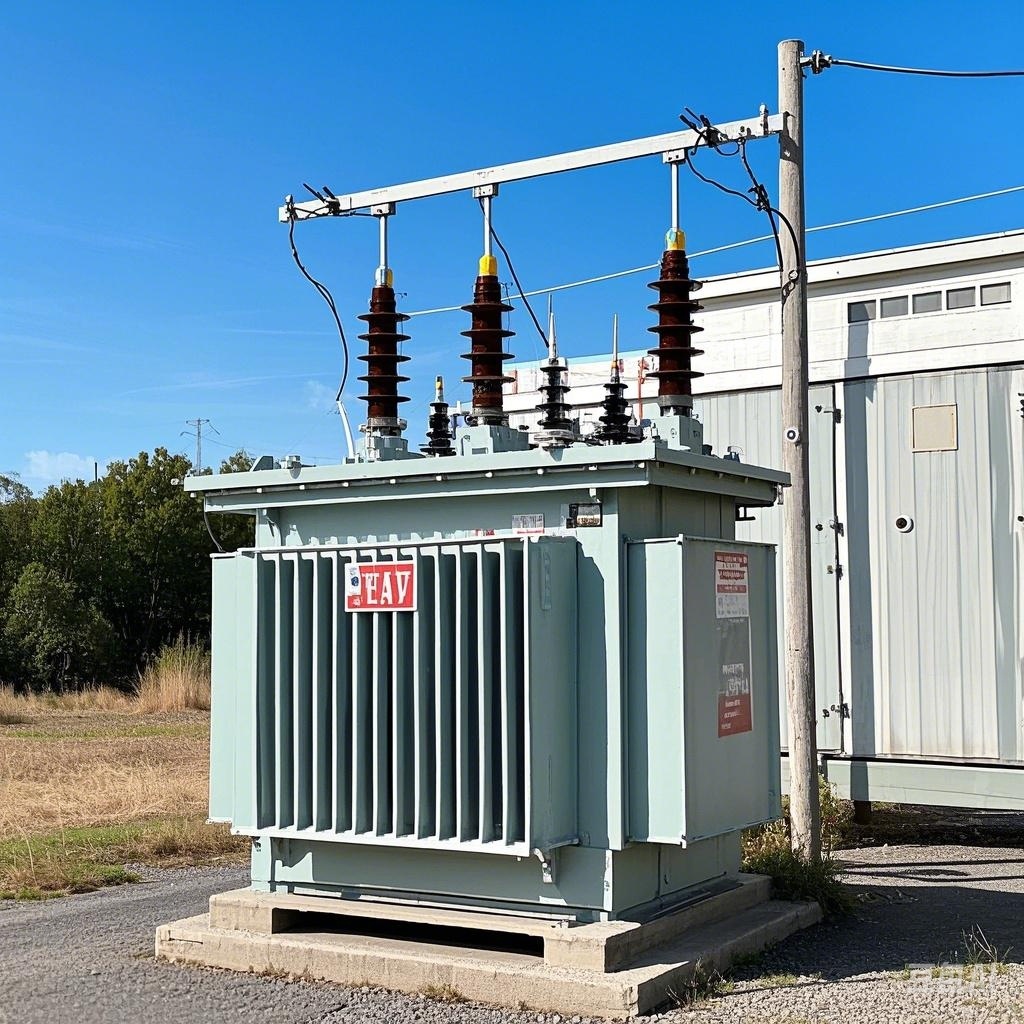
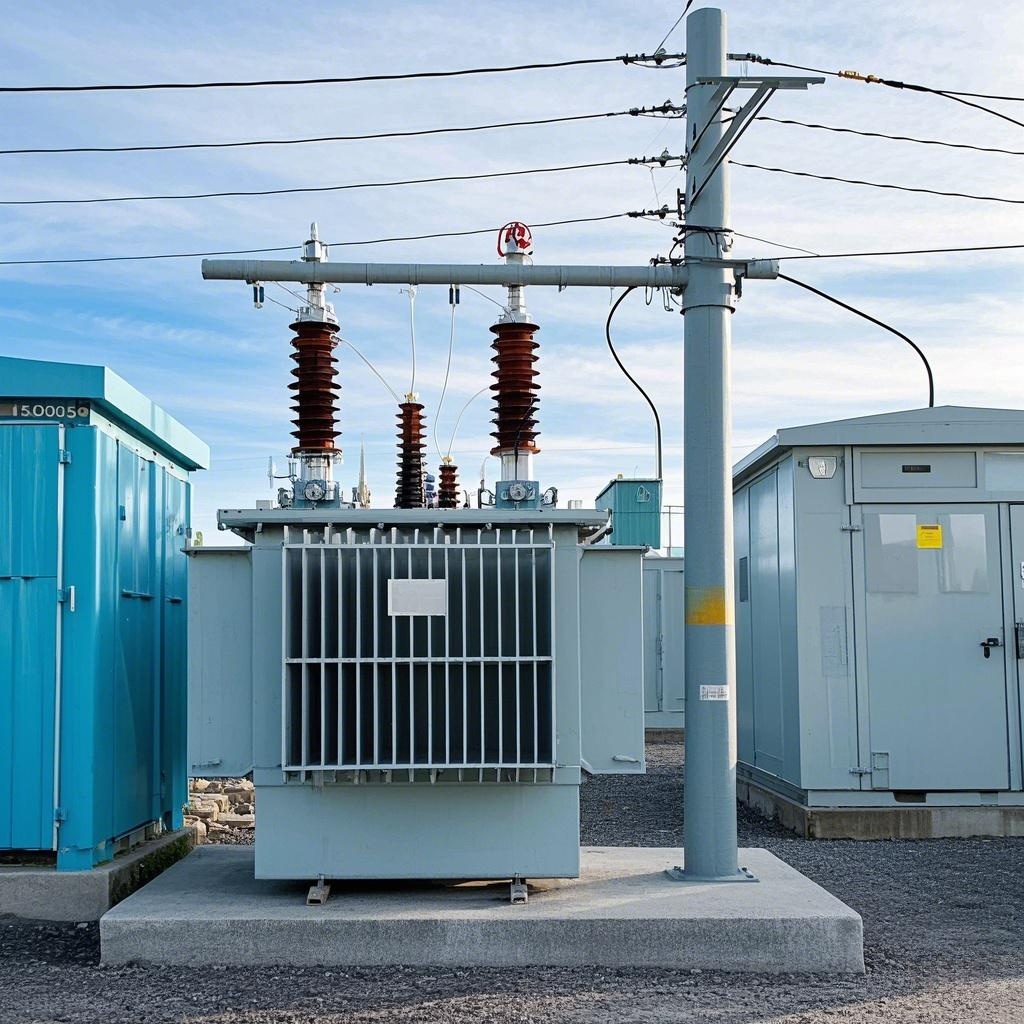
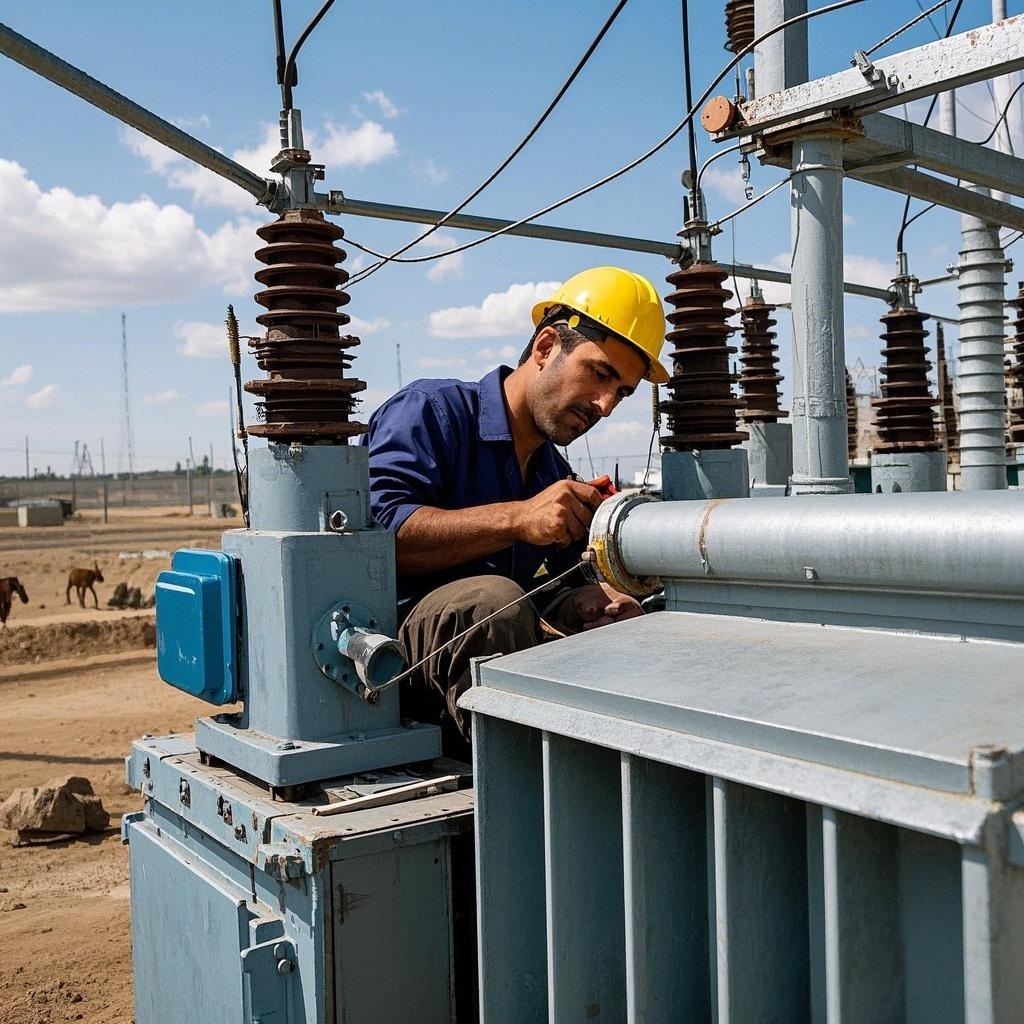
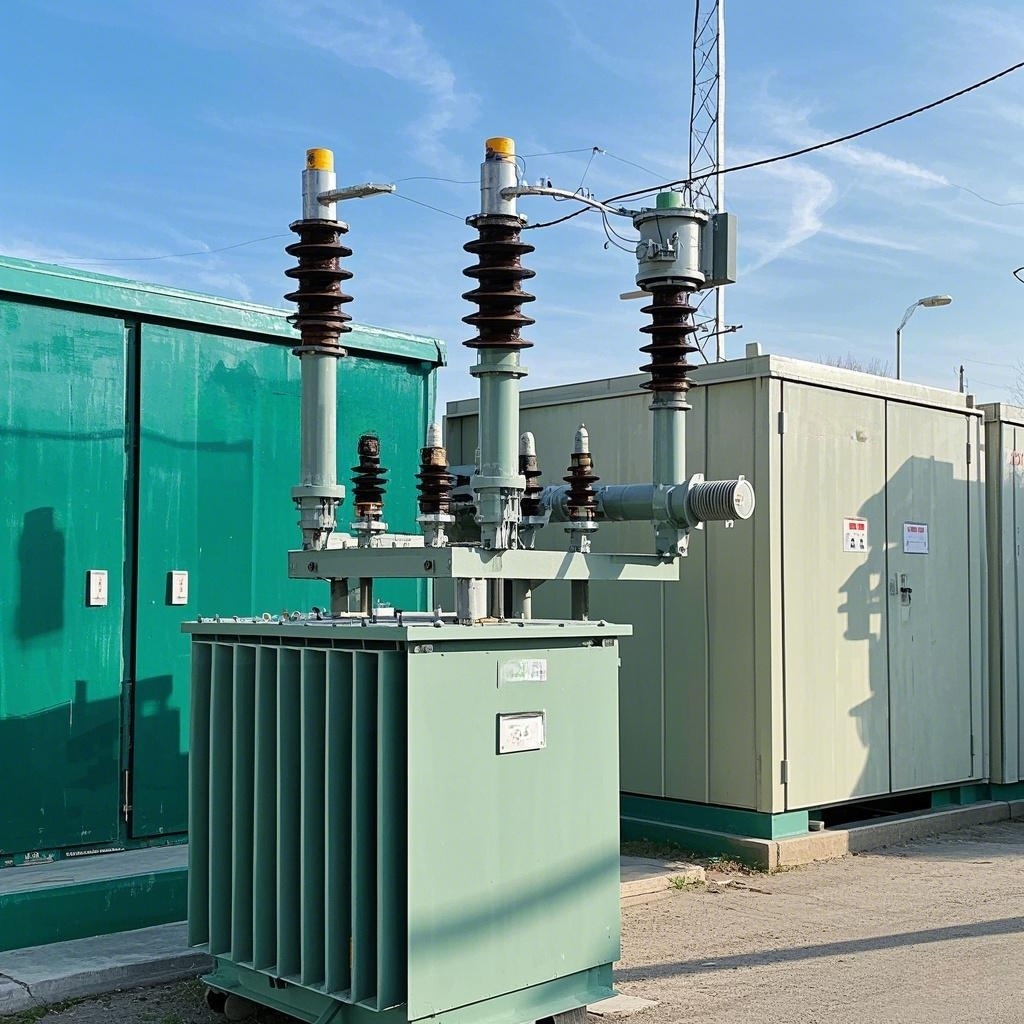
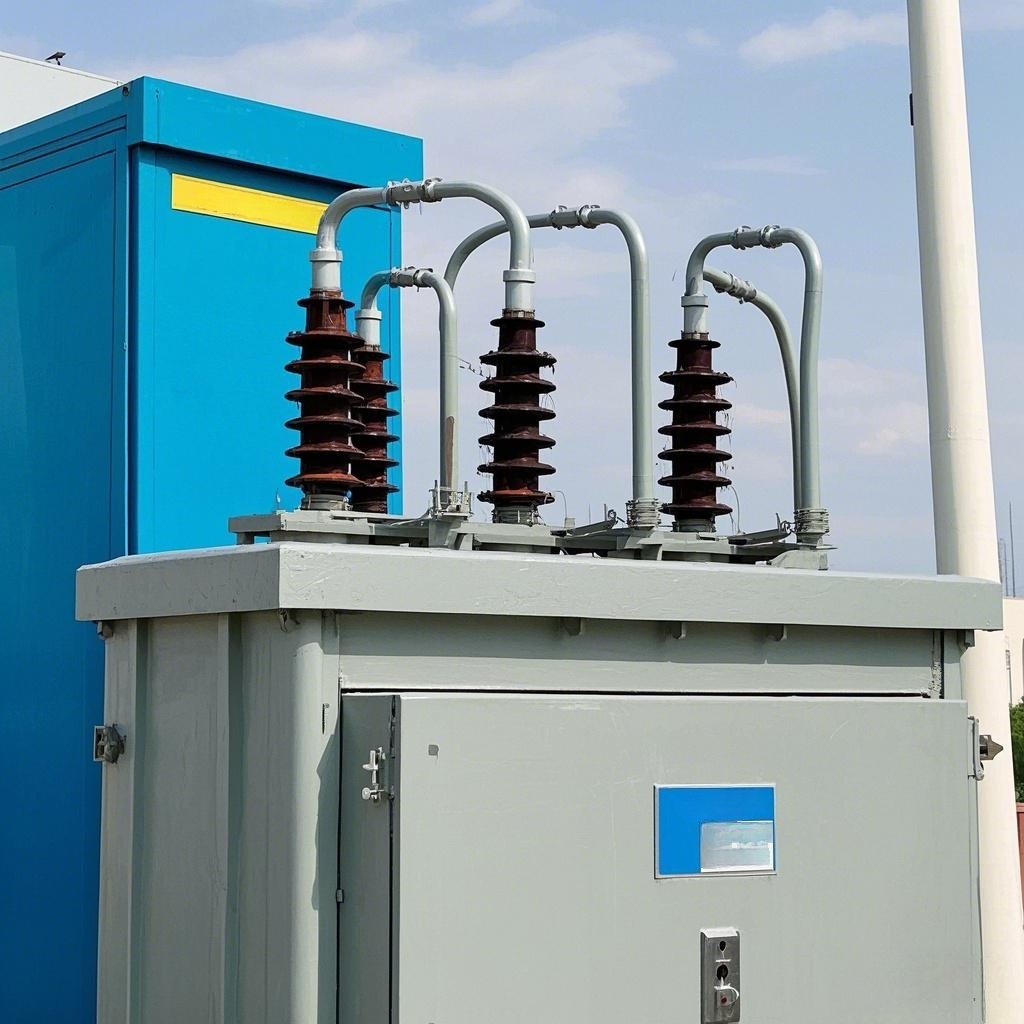
Uzbekistan Cases
Uzbekistan Project Challenges
Electricity Demand Dynamics
- Rapid Industrialization & Urbanization: Uzbekistan’s fast-growing industries (textiles, agriculture, energy) and urban expansion have strained existing infrastructure, leading to frequent power outages during peak demand.
- Energy Efficiency Gaps: Outdated power grids and inefficient transformers contribute to high energy losses (~15% in Uzbekistan)
Installation Environment Challenges
- Extreme Temperatures: Summer highs exceeding 40°C and winter lows below -20°C require transformers with enhanced thermal stability and cooling systems.
- Dust & Humidity: Agricultural regions and deserts face dust storms and seasonal humidity, risking insulation failure and corrosion.
- Grid Vulnerability: Weak grid stability in some regions demands fault-tolerant transformer designs and rapid commissioning.
Regulatory & Standards Compliance
- Strict Local Norms: Uzbekistan mandates compliance with Russian-aligned standards (GOST R) and its own UZST regulations, requiring customized product modifications.
Tengyi Solutions
Customized Product Design
- High-Efficiency Technologies: Developed low-loss transformers with amorphous alloy cores and optimized cooling systems to reduce energy waste and withstand extreme temperatures.
- Modular Solutions: Engineered compact, transportable units for rural projects to simplify installation in remote areas.
Climate-Resilient Innovations
- Encapsulated Transformers: Used vacuum-sealed designs to protect against dust and humidity in agricultural zones.
- Advanced Cooling Systems: Integrated forced-air cooling for high-temperature environments to ensure reliable operation.
Local Collaboration & Certification
- Regulatory Alignment: Partnered closely with UzbekEnergo (Uzbekistan’s energy authority) to meet national standards and secure certifications like UZTC (Uzbek Technical Certification).
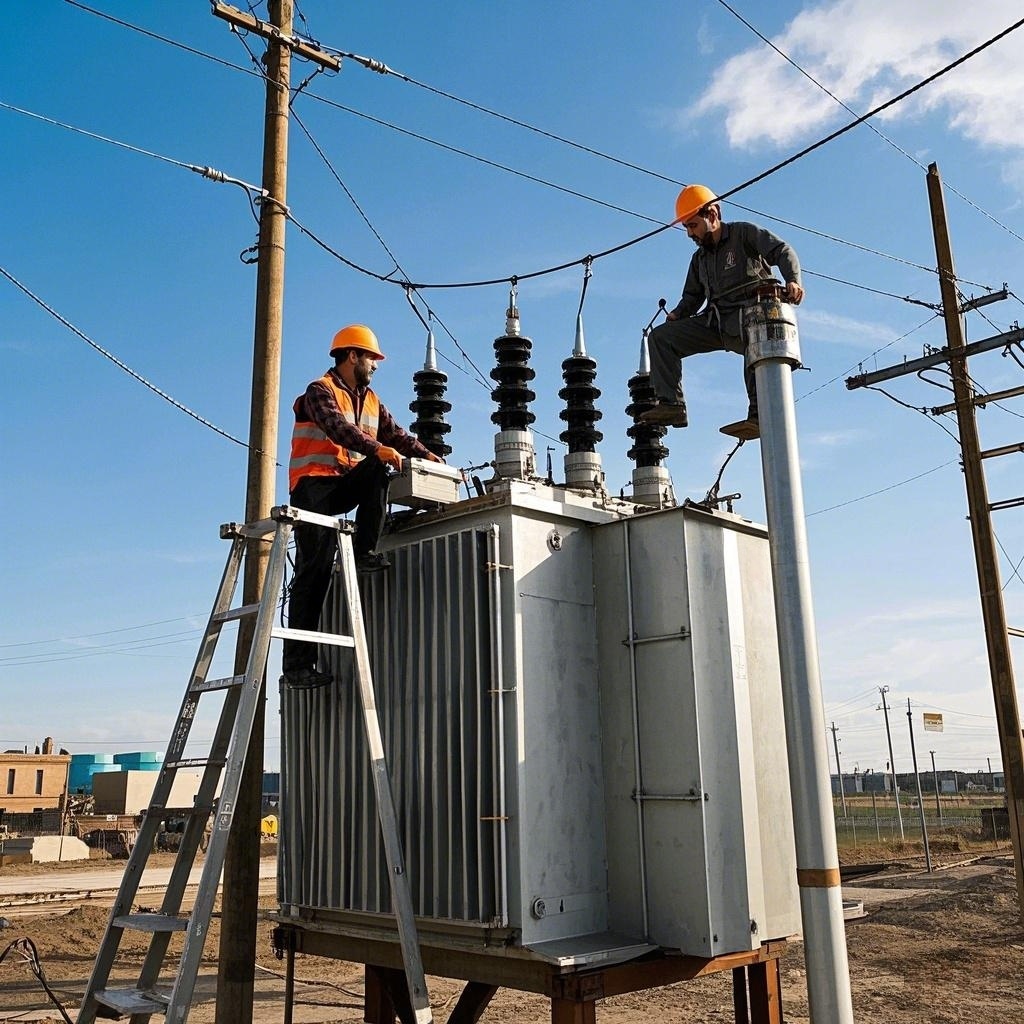
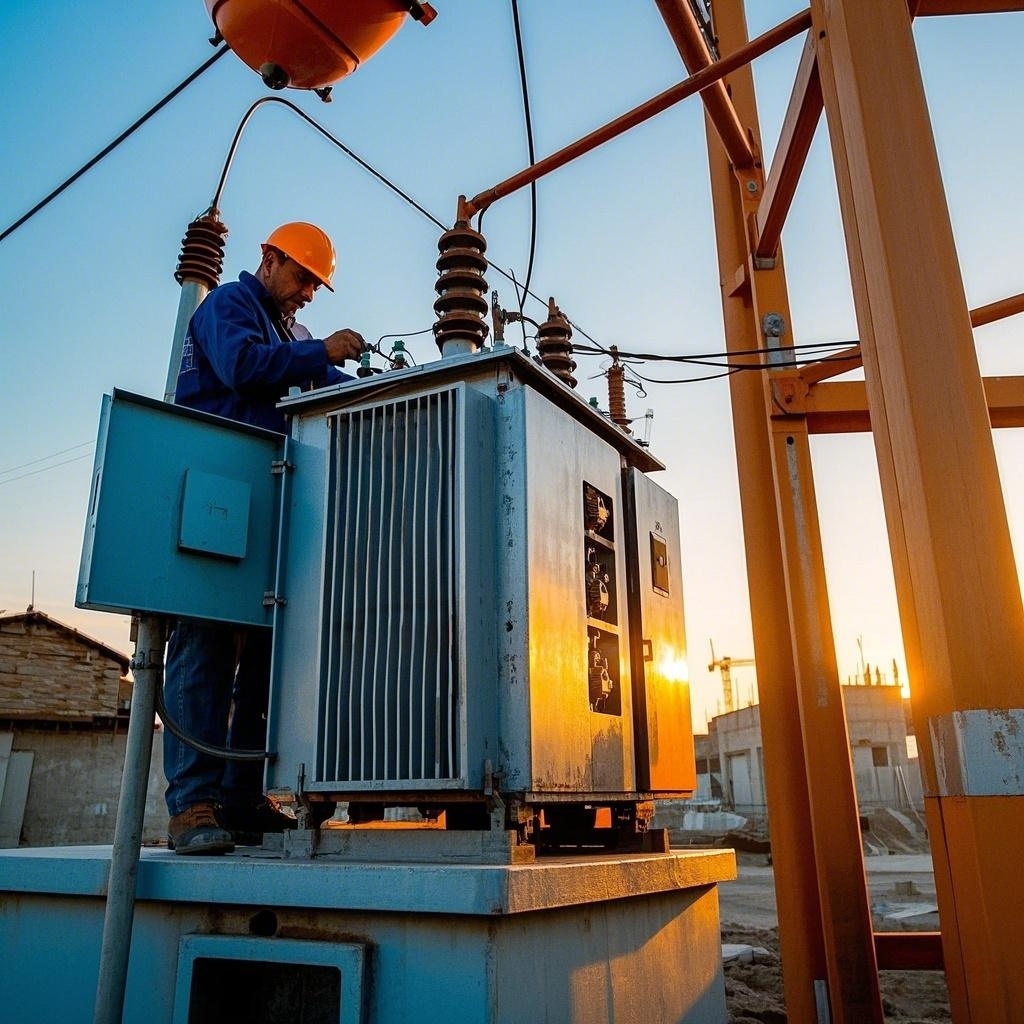
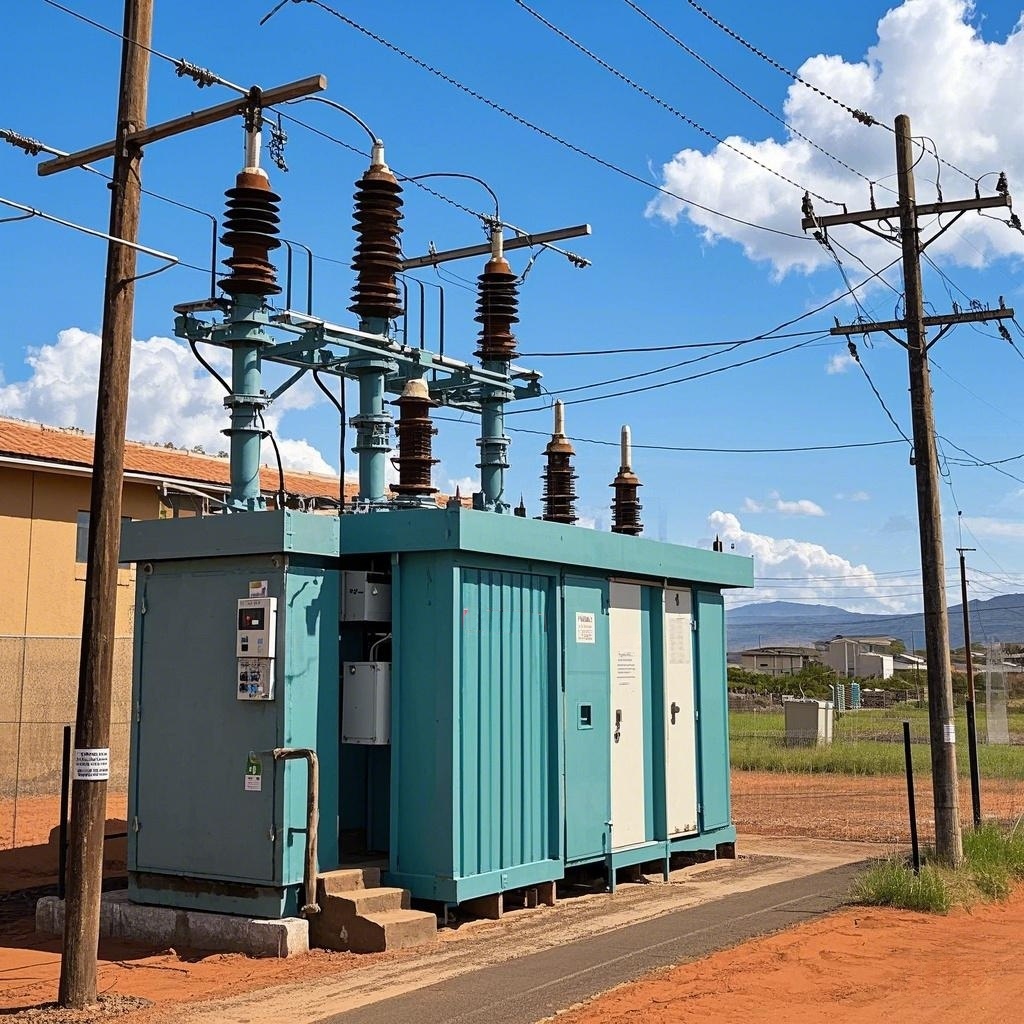
Uzbekistan Real Cases

South Africa Cases
South Africa Project Challenges
Electricity Demand Dynamics
- Unreliable Supply: Chronic load shedding (due to insufficient generation capacity, aging infrastructure, and coal plant inefficiencies) plagues South Africa, particularly Eskom (the national utility). Transformers must support frequent grid fluctuations and voltage instability.
- Rising Demand: Rapid urbanization, industrial growth (e.g., mining, manufacturing), and renewable energy adoption (e.g., solar parks) require transformers that handle peak loads efficiently.
- Energy Efficiency Gaps: Legacy transformers in South Africa average efficiency losses of ~10–15%, contributing to high electricity costs and carbon emissions.
Installation Environment Challenges
- High Temperatures: Summer temperatures exceeding 40°C in regions like Gauteng demand transformers with enhanced thermal performance and cooling systems.
- Dust and Pollution: Mining areas (e.g., the Witwatersrand Basin) and coastal regions face dust storms and corrosive air, risking insulation degradation.
Regulatory & Standards Compliance
- Local Standards: Compliance with South African Bureau of Standards (SABS) codes (e.g., SANS 10142 for transformers) and Eskom’s technical specifications.
- Environmental Regulations: Adherence to the National Environmental Management Act (NEMA) for waste disposal and emissions, restricting the use of hazardous materials like PCBs.
Tengyi Solutions
Customized Product Design
- High-Efficiency, Low-Loss Designs: Introduced transformers with amorphous alloy cores and optimized winding configurations to reduce energy losses by ~8–10%, aligning with Eskom’s efficiency targets.
- Climate-Resilient Features:
- Heat-Proof Coatings: Developed transformers with high-temperature-resistant insulation for Gauteng and other hot regions.
- Dust-Proof Enclosures: Engineered sealing designs for mining and coastal areas to prevent dust ingress and corrosion.
Compliance & Certification
- SABS and Eskom Certification: Obtained SANS 10142 compliance and Eskom’s prequalification for transformers, ensuring eligibility for large-scale projects.
- Eco-Friendly Alternatives: Replaced PCBs with non-toxic alternatives (e.g., bio-based fluids) to meet NEMA and environmental regulations.
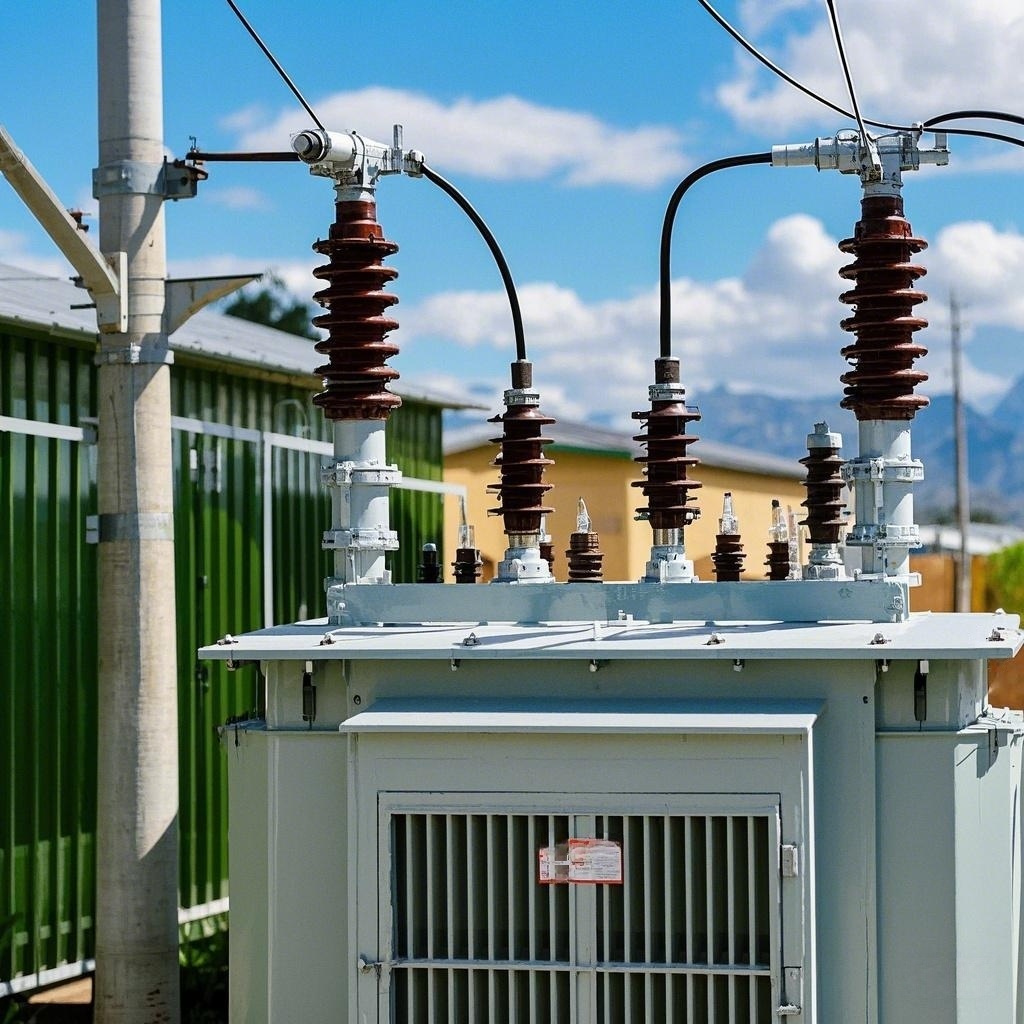
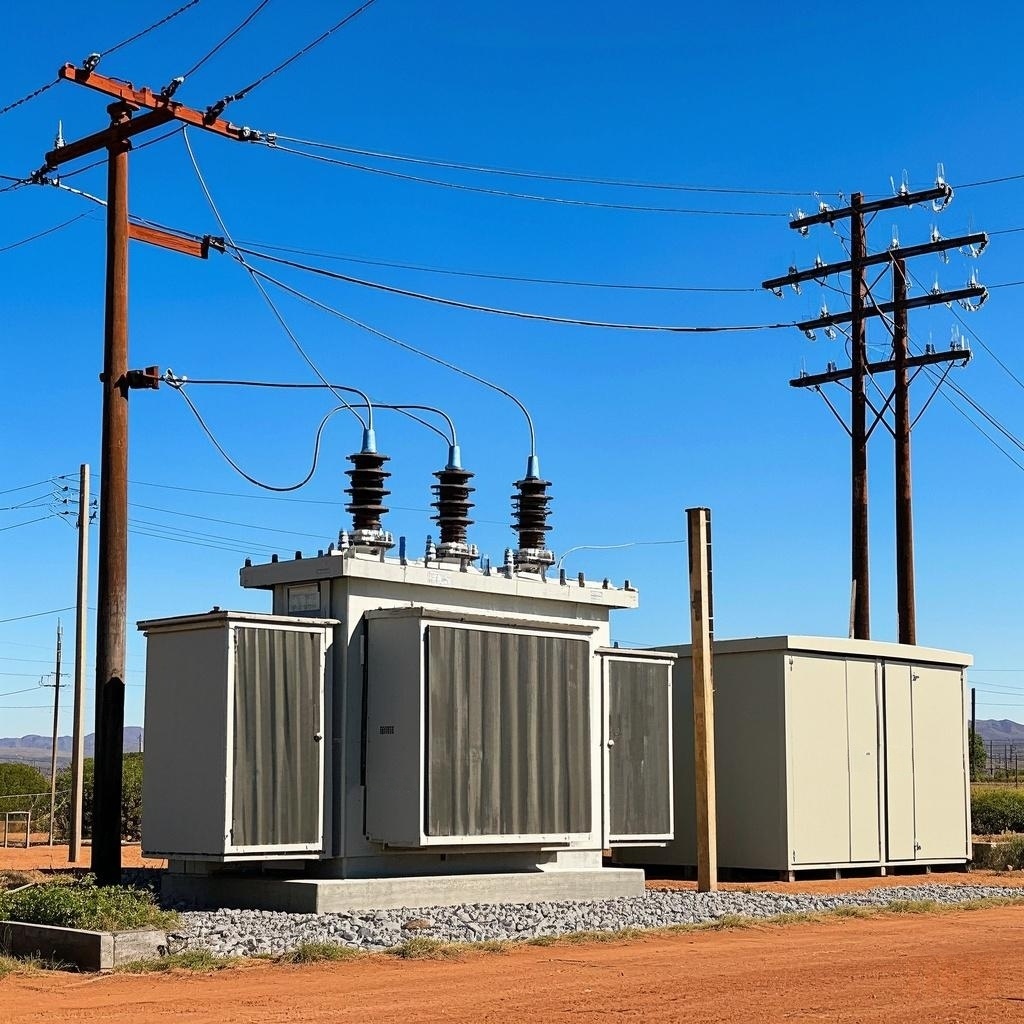
South Africa Real Cases
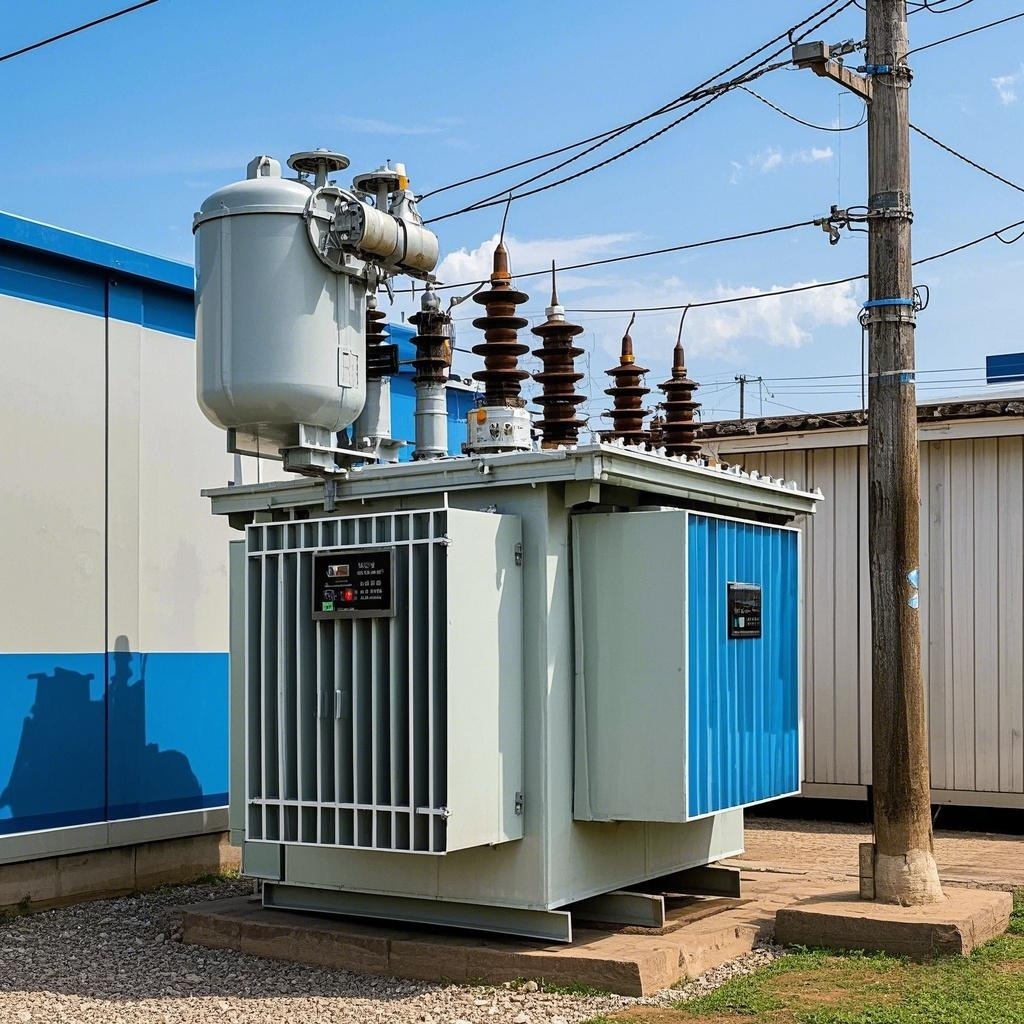
We offer the best solutions for your actual requirements.
Talk to our experts to get your tailor-made solutions.
