
Трифазний трансформатор у корпусі на підставці для видобутку біткойну в Каліфорнії
Tengyi High-Efficiency Three-Phase Transformers for Bitcoin Mining: Powering Crypto Farms in California & Beyond
Bitcoin mining is a power-hungry industry where profitability hinges on energy efficiency and operational reliability. In regions like California, where electricity costs are high and environmental regulations are stringent, miners face dual pressures: reducing energy waste while maintaining 24/7 uptime for their ASIC rigs.
Tengyi three-phase pad-mounted transformers have emerged as a critical solution, bridging the gap between high-voltage utility grids and the low-voltage demands of mining hardware. As a leading exporter of specialized mining transformers, Tengyi recently demonstrated its expertise by deploying 40+ units (ranging from 1250kVA to 5000kVA) for a large-scale Bitcoin mining facility in California.
Огляд проекту
Location
Remote desert site in California (high temperatures, dust exposure).
Parameters
- Tengyi supplied 40+ units, including 2600kVA, 3000kVA, and 5000kVA transformers.
- Voltage ratios: 12.47kV/0.415kV (primary grid interface) and 13.8kV/0.415kV (backup).
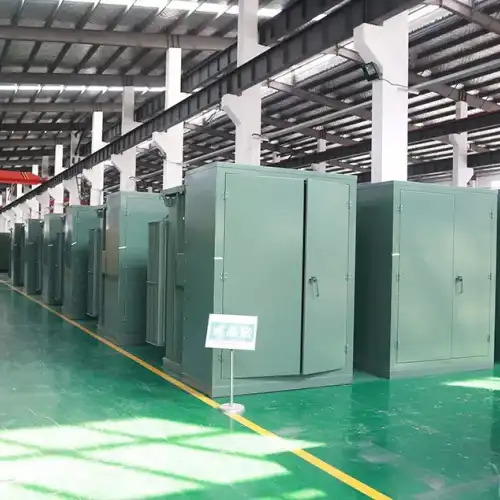
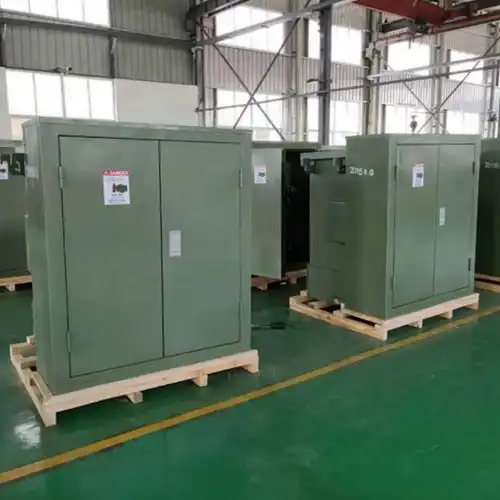
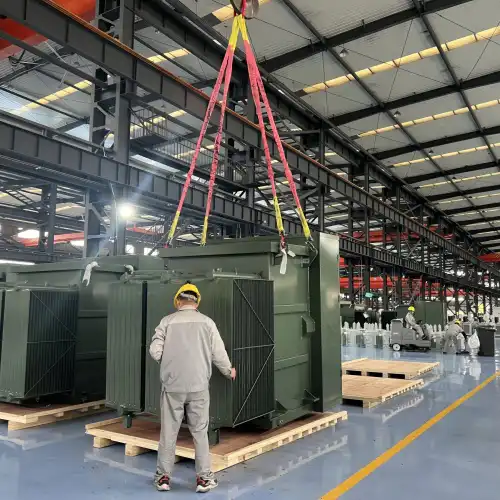
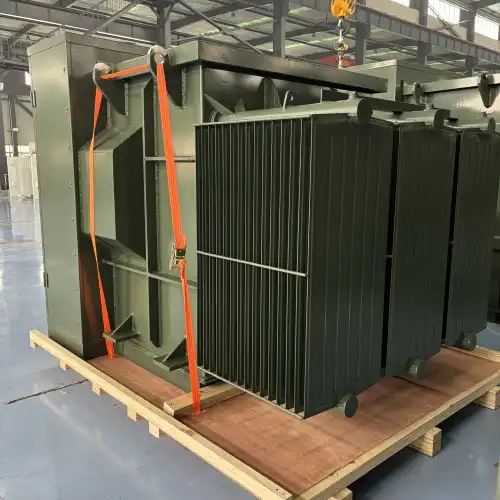
Here, we will show how Tengyi transformers address the unique challenges of crypto mining while optimizing ROI.
For Optimal Performance in American Regions, Tengyi Technical Specifications for Bitcoin Mining Transformers
Capacity Matching
- Mining farms require scalable solutions. Smaller pods may use Tengyi’s 1250kVA transformers, while high-density operations deploy 5000kVA units to support thousands of ASIC miners.
- Example: A facility with 10,000 Antminer S19 rigs (3,250W each) needs ~32.5MW, achievable with multiple Tengyi 3000kVA or 5000kVA transformers.
Custom Voltage Ratios
- California’s grid often operates at 12.47kV or 13.8kV, requiring step-down configurations like 12.47kV/0.415kV or 35kV/0.415kV.
- Tengyi’s bespoke tap settings ensure compatibility with non-standard grid voltages, preventing downtime during peak loads.
Efficiency Standards
- Трансформатори Tengyi, сертифіковані за рівнем DOE Tier 3досягаютьефективності 98%+, зменшуючи втрати енергії та економлячи для майнерів до$500 000 щорічноу масштабних операціях.
Регуляторні сертифікати
- Трансформатори Tengyi відповідають енергетичним стандартам Каліфорнії Title 20/24 і мають сертифікати UL/cUL щодо безпеки у високоризикованих середовищах.
Екологічна стійкість
- Корпуси зі ступенем захисту IP55та корозійностійкі покриття захищають від пилу, вологості та екстремальних температур у пустельному кліматі Каліфорнії.
Що таке трифазний наземний трансформатор?
Трифазний наземний трансформатор — це статичний електричний пристрій, призначений для передачі електричної енергії з одного кола в інше за допомогою електромагнітної індукції. Цей процес дозволяє підвищити (збільшити) або знизити (зменшити) напругу без зміни частоти. Основна функція трансформатора полягає у двох або більше обмотках із дроту, які електрично ізольовані, але магнітно зв’язані. Коли змінний струм (AC) проходить через одну з обмоток (первинарну обмотку), виникає магнітне поле. Це магнітне поле індукує напругу в іншій обмотці (вторинній обмотці), забезпечуючи таким чином передачу електричної енергії.
Трансформатори є незамінними в електричних системах живлення, оскільки забезпечують ефективну передачу та розподіл електроенергії. Передача на високій напрузі зменшує струм, мінімізуючи втрати енергії через опір проводів. Потім трансформатори знижують напругу до рівнів, придатних для промислового, комерційного та побутового використання.
Компоненти трифазного наземного трансформатора
Ось основні компоненти наземного трансформатора:
Основа:
Основу зазвичай виготовляють із ламінованої кремнієвої сталі, що забезпечує шлях для магнітного потоку. Її проектують так, щоб мінімізувати енергетичні втрати через гістерезис та вихрові струми.
Обмотки:
Трансформатори мають дві групи обмоток: первинну обмотку (підключену до сторони високої напруги) та вторинну обмотку (підключену до сторони низької напруги). Ці обмотки виготовлені з міді або алюмінію й ретельно ізольовані, щоб запобігти коротким замиканням.
Ізоляція:
Для електричної ізоляції обмоток і основи використовують ізоляційні матеріали, такі як масло, папір або епоксидна смола. Наявність належної ізоляції критично важлива для запобігання пробоям і забезпечення безпечного функціонування трансформатора.
Система охолодження:
Трансформатори виділяють тепло через енергетичні втрати в основі та обмотках. Системи охолодження — наприклад, маслонаповнені баки з радіаторами або сухі повітряні системи охолодження — використовуються для відведення цього тепла й запобігання перегріву.
Бак і корпус:
Бак містить основу та обмотки, забезпечуючи фізичний захист і утримуючи ізоляційну рідину (за наявності). Корпус проектують так, щоб він був захищеним від несанкціонованого доступу й стійким до атмосферних впливів, що гарантує безпеку й надійність трансформатора.
Прохідні ізолятори:
Високовольтні прохідні ізолятори з’єднують високовольтні кабелі з трансформатором.
Відсік низької напруги:
Містить вихідні з’єднання для розподілу електроенергії низької напруги.
Регулятори напруги (перемикачі відводів):
Дозволяють регулювати коефіцієнт трансформації напруги.
Специфічні переваги використання трифазних наземних трансформаторів у видобутку біткойну
Трифазні наземні трансформатори мають певні переваги для операцій з видобутку біткойну:
Висока потужність:
Операції з видобутку біткойну потребують значних обсягів електричної енергії. Трифазні наземні трансформатори можуть ефективніше задовольняти високі потужнісні потреби ферм видобутку, ніж однофазні трансформатори.
Стабільне електропостачання:
Стабільне й постійне електропостачання трифазної системи є критичним для безперервної роботи гірничодобувного обладнання. Коливання напруги можуть пошкодити чутливі електронні компоненти й знизити ефективність видобутку.
Масштабованість:
Під час розширення гірничодобувних операцій зростають й вимоги до потужності. Трифазні трансформатори у наземному виконанні забезпечують необхідну масштабованість для підтримки розширюваних ферм видобутку без потреби в істотних змінах інфраструктури.
Зменшення простоїв:
Надійність трифазних трансформаторів у наземному виконанні мінімізує простої, забезпечуючи безперервну роботу гірничодобувних операцій. Це має вирішальне значення для максимізації доходів у надзвичайно конкурентній галузі видобутку біткоїнів.
Економічна ефективність:
Хоча початкові інвестиції в трифазну систему можуть бути вищими, ніж у однофазну, довгострокові економії завдяки підвищеній ефективності, зменшенню простоїв та масштабованості роблять її економічно ефективним рішенням для видобутку біткоїнів.
Безпека:
Наземні трансформатори мають герметичне виконання й проектуються так, щоб бути безпечними для загального доступу, що зменшує ризик електричних небезпек.
Ключові характеристики та технічні специфікації при виборі трансформаторів для видобутку біткоїнів
Регулювання напруги: важливість підтримання стабільної напруги
Регулювання напруги — це здатність трансформатора підтримувати стабільну вихідну напругу за різних умов навантаження. Це критичний фактор у видобутку біткоїнів, оскільки гірничодобувне обладнання, зокрема ASIC-пристрої (спеціалізовані інтегральні схеми), чутливе до коливань напруги. Нестабільна напруга може призвести до:
- Зниження ефективності: Гірничодобувне обладнання може працювати менш ефективно, що призводить до нижчих хеш-рейтів і зменшення прибутковості.
- Пошкодження обладнання: Стрибки або падіння напруги можуть пошкодити чутливі електронні компоненти, що спричиняє дорогі ремонти й простої.
- Пошкодження даних: Нестабільне електропостачання може викликати пошкодження даних, що призводить до помилок у процесі видобутку.
Добре регулювання напруги забезпечує, що обладнання для майнінгу отримує стабільне й надійне електроживлення, що максимізує продуктивність та збільшує термін служби апаратного забезпечення. Трансформатори з регулюванням напруги від ±11% до ±3% загалом рекомендуються для застосування в біткойн-майнінгу.
Рейтинг у кВА: як визначити відповідний розмір для операції майнінгу
Рейтинг у кВА (кіловольт-ампер) трансформатора вказує на його потужність у повних вольт-амперах — тобто на загальну потужність, яку трансформатор може забезпечити. Визначення відповідного рейтингу у кВА є обов’язковим для того, щоб трансформатор міг задовольняти енергетичні потреби майнінгової операції без перевантаження. Ось як визначити правильний розмір:
- Розрахуйте загальне енергоспоживання: Підсумуйте енергоспоживання (у ватах) всього майнінгового обладнання, включаючи ASIC-пристрої, системи охолодження та інші електричні пристрої.
- Перетворіть вати на кВА: Поділіть загальне енергоспоживання у ватах на 1000, щоб перетворити його на кіловати (кВт). Потім поділіть значення в кВт на коефіцієнт потужності (КПД) майнінгового обладнання, щоб отримати кВА. (кВА = кВт / КПД). Коефіцієнт потужності зазвичай становить приблизно 0,8–0,9 для майнінгового обладнання.
- Додайте запас безпеки: Рекомендується додати запас безпеки в 20–25 % до розрахованого значення кВА, щоб врахувати майбутнє розширення та несподівані зростання навантаження.
- Вибір трансформатора: Виберіть трансформатор із номінальною потужністю у кВА, яка відповідає або перевищує розраховану потужність у кВА з урахуванням запасу безпеки.
Наприклад, якщо гірниче підприємство має загальну потужність споживання 500 кВт і коефіцієнт потужності 0.8, то потужність у кВА становитиме 625 кВА. Додавши запас безпеки 20%, рекомендована номінальна потужність трансформатора у кВА становитиме приблизно 750 кВА.
Ефективність: чому висока ефективність є критично важливою для економії коштів
Ефективність трансформатора — це відношення вихідної потужності до вхідної потужності, виражене у відсотках. Висока ефективність є критично важливою для біткойн-майнінгу через постійний і енергоємний характер таких операцій. Навіть незначні покращення ефективності можуть призвести до суттєвої економії коштів протягом тривалого часу.
- Зменшені втрати енергії: Трансформатори високої ефективності мінімізують втрати енергії у вигляді тепла, що зменшує кількість витраченої електроенергії.
- Зниження рахунків за електроенергію: Завдяки зменшенню втрат енергії трансформатори високої ефективності знижують загальне споживання електроенергії, що призводить до нижчих щомісячних рахунків.
- Зменшення вуглецевого сліду: Ефективні трансформатори сприяють зменшенню вуглецевого сліду, скорочуючи кількість електроенергії, необхідної від електростанцій.
Трансформатори, що використовуються в видобутку біткойну, повинні мати клас ефективності не нижче 97%. Вища початкова вартість трансформатора високої ефективності часто компенсується довгостроковими економіями на рахунках за електроенергію.
Способи охолодження: типи систем охолодження (маслонаповнені, сухі) та їх придатність
Трансформатори генерують тепло через втрати енергії в осерді та обмотках, тому ефективне охолодження є обов’язковим для запобігання перегріву та забезпечення надійної роботи. Два основні типи систем охолодження:
- Маслонаповнені трансформатори: Ці трансформатори використовують масло як ізоляційне й охолоджувальне середовище. Масло циркулює всередині трансформатора, поглинаючи тепло й відводячи його через радіатори.
- Придатність: Маслонаповнені трансформатори підходять для високопотужних застосувань і забезпечують відмінну ефективність охолодження. Однак вони потребують регулярного відбору проб масла та технічного обслуговування, щоб забезпечити його чистоту від забруднювачів. Також існує ризик протікання масла, що може створити екологічну небезпеку.
- Сухі трансформатори: Ці трансформатори використовують повітря як основне охолоджувальне середовище. Зазвичай вони охолоджуються за рахунок природної конвекції або примусової подачі повітря.
- Придатність: Сухі трансформатори підходять для внутрішніх застосувань і середовищ, де існує ризик протікання масла. Вони потребують меншого обслуговування порівняно з маслонаповненими трансформаторами, але можуть мати нижчу потужність охолодження, що робить їх менш придатними для дуже високопотужних застосувань або середовищ із високою температурою навколишнього повітря.
Для видобутку біткоїнів вибір між трансформаторами, заповненими оливою, та сухими трансформаторами залежить від конкретних вимог видобувної операції, у тому числі потужності, умов навколишнього середовища та можливостей обслуговування.
Функції безпеки: захист від перевантаження, захист від короткого замикання та інші заходи безпеки
Функції безпеки є обов’язковими для захисту трансформатора й видобувного обладнання від пошкодження та забезпечення безпеки персоналу. Основні функції безпеки включають:
- Захист від перевантаження: Ця функція захищає трансформатор від перегріву через надмірне навантаження. Зазвичай вона реалізується за допомогою автоматичних вимикачів або плавких запобіжників, які спрацьовують при перевищенні навантаженням номінальної потужності трансформатора.
- Захист від короткого замикання: Ця функція захищає трансформатор від пошкодження, спричиненого коротким замиканням. Вона також реалізується за допомогою автоматичних вимикачів або плавких запобіжників, які швидко переривають струм у разі короткого замикання.
- Заземлення: Правильне заземлення є обов’язковим для запобігання електричним ударам і забезпечення безпечного розсіювання аварійних струмів.
- Контроль температури: Датчики температури можуть використовуватися для контролю температури осердя та обмоток трансформатора. Якщо температура перевищує безпечний рівень, активується сигнал тривоги, а трансформатор може бути автоматично вимкнений.
- Клапани зниження тиску: Трансформатори, заповнені оливою, оснащені клапанами зниження тиску, які звільняють надлишковий тиск у разі внутрішньої несправності, запобігаючи розриву бака.
Впровадження цих функцій безпеки дозволяє видобувним операціям біткоїнів мінімізувати ризик електричних аварій і пошкодження обладнання, забезпечуючи безпечне й надійне електропостачання.
Монтаж і технічне обслуговування трифазних наземних трансформаторів для видобутку біткоїнів
Розташування
Правильне розташування трифазного наземного трансформатора має вирішальне значення для забезпечення його ефективної та безпечної роботи. При виборі оптимального місця слід врахувати кілька факторів:
- Оптимальне місце для розташування трансформатора:
- Близькість до навантаження: Трансформатор має бути розташований якомога ближче до операції з видобутку біткойнів, щоб мінімізувати падіння напруги та втрати потужності в розподільних кабелях.
- Доступність: Переконайтеся, що місце розташування легко доступне для технічного обслуговування, огляду та заміни. Це включає забезпечення достатнього простору для маневрування сервісних транспортних засобів і обладнання.
- Відстань: Забезпечте достатню відстань навколо трансформатора для забезпечення належної вентиляції та запобігання перешкодам, які можуть ускладнити охолодження або доступ. Дотримуйтесь місцевих електротехнічних норм і правил щодо мінімальних вимог до відстаней.
- Безпека: Місце розташування має бути захищеним від несанкціонованого доступу та забезпечувати захист трансформатора від вандалізму або крадіжки. Розгляньте встановлення паркану, освітлення та систем спостереження.
- Стабільність ґрунту: Бетонна основа, на якій встановлюється трансформатор, має бути стабільною й рівною, щоб запобігти зсуву чи нахилу, що може пошкодити трансформатор.
- Екологічні чинники, які слід врахувати:
- Температура: Трансформатори проектуються для роботи в певному діапазоні температур. Високі навколишні температури можуть зменшити потужність та термін служби трансформатора. Розгляньте можливість забезпечення затінення або вентиляції, щоб зменшити вплив високих температур.
- Вологість: Висока вологість може прискорити корозію та деградацію компонентів трансформатора. Переконайтеся, що корпус трансформатора щільно закритий, і розгляньте використання корозійностійких матеріалів.
- Висота над рівнем моря: At higher altitudes, the air is thinner, which can reduce the transformer’s cooling efficiency. Derating the transformer’s capacity may be necessary at high altitudes.
- Exposure to Elements: Protect the transformer from direct exposure to sunlight, rain, snow, and other elements that can cause damage or accelerate wear.
- Contaminants: Avoid locations with high levels of dust, dirt, or corrosive substances in the air, as these can contaminate the transformer’s insulation and cooling system.
Процес встановлення
The installation of a three-phase pad mount transformer should be performed by qualified and experienced electricians in accordance with local electrical codes and regulations. Here is a general step-by-step guide:
- Preparation:
- Ensure the concrete pad is properly sized, level, and capable of supporting the weight of the transformer.
- Verify that all necessary permits and approvals have been obtained.
- Gather all required tools, equipment, and materials.
- Placement:
- Carefully position the transformer on the concrete pad, ensuring it is properly aligned and centered.
- Use appropriate lifting equipment to avoid damaging the transformer.
- Connections:
- Connect the high-voltage cables to the transformer’s primary bushings, following the manufacturer’s instructions and local electrical codes.
- Connect the low-voltage cables to the transformer’s secondary terminals.
- Ensure all connections are tight and properly insulated.
- Заземлення:
- Connect the transformer’s grounding terminal to a suitable grounding system.
- Verify that the grounding system meets all applicable codes and standards.
- Testing:
- Perform insulation resistance tests to ensure the transformer’s windings are properly insulated.
- Verify the voltage and phase rotation of the secondary output.
- Conduct a no-load test to check for any abnormalities.
- Final Inspection:
- Inspect all connections, wiring, and components to ensure they are properly installed and secured.
- Verify that all safety devices, such as circuit breakers and fuses, are functioning correctly.
- Safety Precautions During Installation:
- De-energize all circuits before working on electrical equipment.
- Use appropriate personal protective equipment (PPE), such as gloves, safety glasses, and arc-rated clothing.
- Follow lockout/tagout procedures to prevent accidental energization of circuits.
- Work with a qualified and experienced electrician who is familiar with transformer installation procedures.
- Adhere to all applicable electrical codes and regulations.
- Keep the work area clear of obstructions and hazards.
Maintenance Best Practices
Regular maintenance is essential for ensuring the long-term reliability and performance of three-phase pad mount transformers. Key maintenance practices include:
- Regular Inspection and Testing:
- Visual Inspection: Conduct regular visual inspections of the transformer for signs of damage, corrosion, leaks, or overheating.
- Infrared Scanning: Use an infrared scanner to detect hot spots, which could indicate loose connections, insulation breakdown, or other problems.
- Electrical Testing: Perform regular electrical tests, such as insulation resistance tests, turns ratio tests, and winding resistance tests, to assess the condition of the transformer’s windings and insulation.
- Load Monitoring: Monitor the transformer’s load to ensure it is operating within its rated capacity.
- Oil Sampling and Analysis (for Oil-Filled Transformers):
- Regular Sampling: Take regular oil samples and send them to a qualified laboratory for analysis.
- Oil Analysis: Oil analysis can detect contaminants, moisture, and other problems that could degrade the oil’s insulating properties and damage the transformer.
- Oil Treatment or Replacement: If the oil analysis reveals significant contamination or degradation, the oil should be treated or replaced.
- Preventive Maintenance to Extend Transformer Life:
- Cleaning: Keep the transformer enclosure clean and free of dust, dirt, and debris.
- Tightening Connections: Regularly tighten all electrical connections to prevent loose connections, which can cause overheating and voltage drops.
- Replacing Worn Components: Replace any worn or damaged components, such as bushings, fuses, and circuit breakers, promptly.
- Vegetation Control: Keep vegetation trimmed around the transformer to prevent it from interfering with ventilation or causing a fire hazard.
- Scheduled Maintenance: Follow a scheduled maintenance program based on the manufacturer’s recommendations and industry best practices.
Ми пропонуємо найкращі рішення для ваших реальних потреб.
Поговоріть з нашими експертами, щоб отримати індивідуальні рішення.
